I Granai di Clonmacnoise: Il Cuore della Sopravvivenza in un’Irlanda Medievale Affamata
Anno 846 d.C. L’Irlanda è colpita da una carestia devastante. La pioggia incessante ha trasformato i campi di grano in paludi, e le provviste per l’inverno scarseggiano. Nel monastero di Clonmacnoise, lungo le rive del fiume Shannon, un giovane monaco di nome Fintan si trova di fronte a una responsabilità cruciale: preservare il cibo rimasto nei granai del monastero e trovare un modo per sfamare non solo i fratelli della comunità, ma anche la popolazione disperata che bussa alle porte dell’abbazia.
Un rifugio per i tempi di crisi
Clonmacnoise, fondato nel VI secolo, non era solo un luogo di preghiera ma anche un centro economico e logistico. I suoi granai, costruiti con legno robusto e coperti da tetti di paglia impermeabile, erano progettati per proteggere il grano dall’umidità e dai parassiti. Situati vicino al fiume, permettevano un facile accesso sia per i contadini locali che per i commercianti che giungevano via acqua.

Fintan, appena ventenne, era stato incaricato di supervisionare questi preziosi depositi. Ogni sacco di grano rappresentava la sopravvivenza di centinaia di persone. Con il raccolto compromesso, le scorte dovevano essere razionate con precisione.

La gestione delle risorse sotto pressione
Una mattina di novembre, una folla affamata si radunò davanti alle porte del monastero. “Non possiamo lasciarli morire,” disse Fintan all’abate, “ma se diamo troppo, non arriveremo alla primavera.”
L’abate, dopo una notte di preghiere, decise che metà del grano sarebbe stata distribuita. L’altra metà sarebbe servita per seminare nuovi campi e sfamare la comunità monastica.

Fintan lavorò instancabilmente per assicurarsi che ogni sacco fosse pesato con cura e distribuito equamente. Ma non tutti accettarono di buon grado le razioni. Una notte, un gruppo di uomini disperati tentò di forzare i granai. Fintan e i suoi confratelli, armati solo di coraggio e lanterne, riuscirono a respingere i ladri senza violenza, dimostrando che il valore del monastero non risiedeva solo nelle sue risorse materiali, ma anche nella sua resilienza morale.

Tecniche innovative e il commercio monastico
Nonostante la crisi, Fintan ebbe un’idea innovativa: utilizzare una parte del grano per produrre birra, un alimento altamente nutritivo e di lunga conservazione. Questo prodotto, oltre a sfamare la comunità, poteva essere scambiato con altri monasteri per ottenere pesce essiccato e legumi.
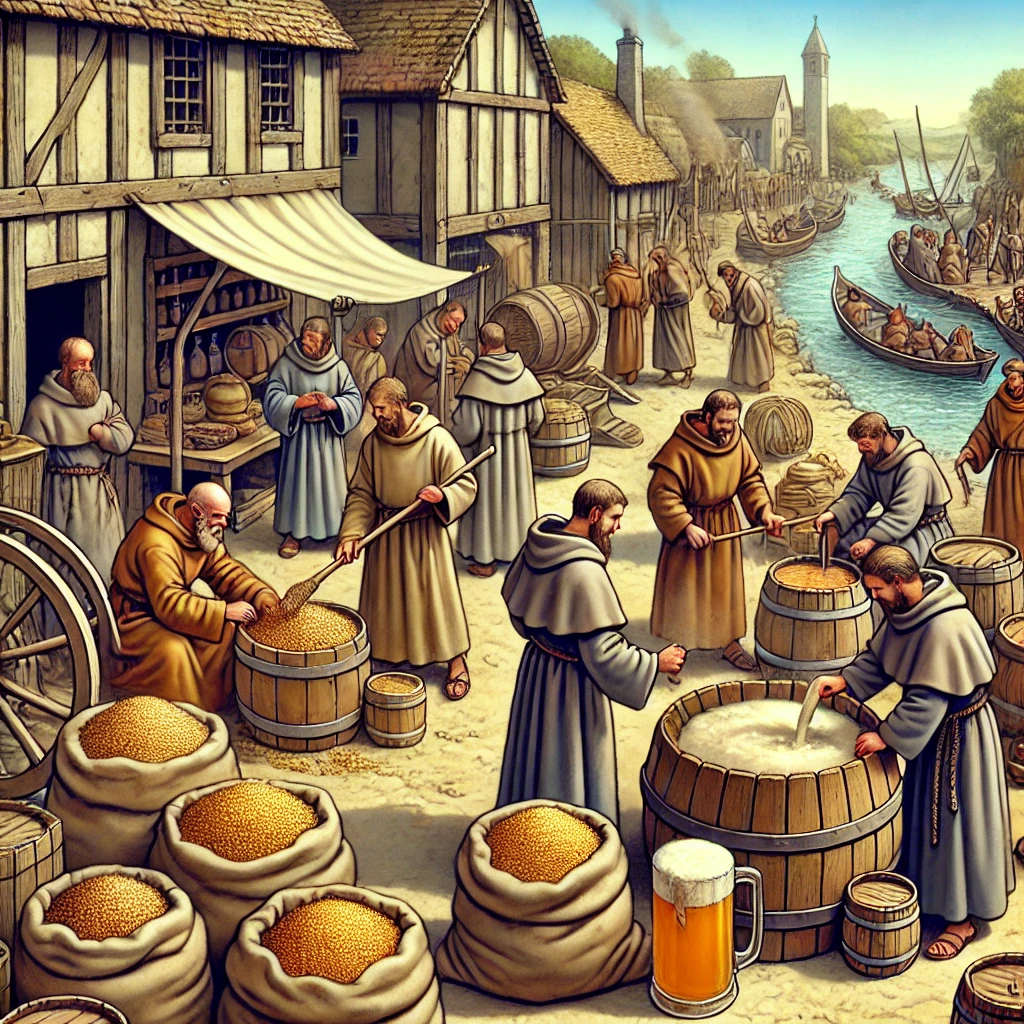
Grazie alle connessioni con i mercanti lungo il fiume Shannon, Clonmacnoise divenne un nodo cruciale per lo scambio di beni. Il grano non era più solo una risorsa locale; il monastero lo trasformò in una valuta economica, creando un sistema di mutuo sostegno tra le abbazie dell’Irlanda.
Lezioni dal passato
La carestia del 846 d.C. passò alla storia come una delle peggiori del periodo, ma il ruolo di Clonmacnoise dimostrò che una gestione oculata delle risorse e un forte spirito comunitario potevano fare la differenza. Fintan, il giovane monaco, divenne una figura leggendaria nei racconti della comunità, simbolo di compassione e ingegno.
I granai dei monasteri irlandesi non erano solo depositi di grano, ma baluardi di speranza e innovazione in un’epoca di grande incertezza. Oggi, resti archeologici e cronache monastiche ci permettono di ricordare queste storie, testimoniando come la logistica medievale fosse cruciale per la sopravvivenza delle comunità.
Fonti storiche
- Annali dell’Ulster (menzioni di carestie e distribuzioni monastiche).
- Scavi archeologici a Clonmacnoise (granai e sistemi di stoccaggio).
- Cronache monastiche irlandesi (resoconti di gestione delle risorse).
_____________
Segui il mio blog
Tutti i miei libri su Amazon
Segui il mio sito DavideLega.com per i miei articoli sulla storia logistica, sulla tecnica 5S e Visual e per i racconti di ciò che faccio come docente e consulente in ambito logistico
Seguimi anche sul canale Youtube GazzettaLogistica
___________________________
The Granaries of Clonmacnoise: The Heart of Survival in a Starving Medieval Ireland
Year 846 AD. Ireland is struck by a devastating famine. The relentless rain has turned the wheat fields into swamps, and winter supplies are running low. In the monastery of Clonmacnoise, along the banks of the Shannon River, a young monk named Fintan faces a crucial responsibility: to preserve the remaining food in the monastery’s granaries and find a way to feed not only the brothers of the community but also the desperate population knocking at the abbey’s doors.

A Refuge in Times of Crisis
Clonmacnoise, founded in the 6th century, was not only a place of prayer but also an economic and logistical hub. Its granaries, made from sturdy wood and covered with waterproof thatched roofs, were designed to protect the grain from moisture and pests. Located near the river, they allowed easy access for local farmers and merchants arriving by water.
Fintan, only twenty years old, had been entrusted with overseeing these precious stores. Every sack of grain represented the survival of hundreds of people. With the harvest ruined, the supplies had to be carefully rationed.
Resource Management Under Pressure
One November morning, a hungry crowd gathered outside the monastery gates. “We cannot let them die,” Fintan said to the abbot, “but if we give too much, we will not make it to spring.”
After a night of prayer, the abbot decided that half of the grain would be distributed. The other half would be used to sow new fields and feed the monastic community.
Fintan worked tirelessly to ensure that every sack was weighed carefully and distributed evenly. But not everyone accepted the rations willingly. One night, a group of desperate men attempted to break into the granaries. Fintan and his brothers, armed only with courage and lanterns, managed to repel the thieves without violence, proving that the monastery’s value was not only in its material resources but also in its moral resilience.
Innovative Techniques and Monastic Trade
Despite the crisis, Fintan had an innovative idea: to use some of the grain to brew beer, a highly nutritious and long-lasting food. This product, in addition to feeding the community, could be exchanged with other monasteries for dried fish and legumes.
Thanks to connections with merchants along the Shannon River, Clonmacnoise became a key hub for trade. The grain was no longer just a local resource; the monastery turned it into an economic currency, creating a system of mutual support between abbeys in Ireland.
Lessons from the Past
The famine of 846 AD went down in history as one of the worst of the period, but the role of Clonmacnoise showed that careful resource management and a strong sense of community could make a difference. Fintan, the young monk, became a legendary figure in the community’s tales, symbolizing compassion and ingenuity.
The granaries of Irish monasteries were not just stores of grain but bastions of hope and innovation in a time of great uncertainty. Today, archaeological remains and monastic chronicles allow us to remember these stories, witnessing how medieval logistics were crucial for the survival of communities.
Historical Sources
- Annals of Ulster (mentions of famines and monastic distributions).
- Archaeological excavations at Clonmacnoise (granaries and storage systems).
- Irish monastic chronicles (accounts of resource management).
____________________________
Follow My Blog
Buy my Books on Amazon!
Visit DavideLega.com for articles on logistical history, the 5S and Visual techniques, and insights into my work as a lecturer and consultant in the logistics field.
Also, follow me on YouTube at Gazzetta Logistica!